Laden...

Laden...
Color systems such as NCS and RAL give colors an unambiguous notation, so that professionals can communicate about color without misunderstandings. Each system has its own logic and structure — and it is precisely that internal structure that determines which color codes can and cannot exist.
RAL Colours — Much More Than 216 Colors in a Fan covers the three RAL collections, from Classic to Design System plus with its 1,825 CIELAB-based colors — including coding, differences, and applications. Two articles dive into the mathematics behind NCS notations: Why NCS Colors Like 5050-B90G and 2090-Y90R Don't Exist explains why the sum of blackness and saturation in the NCS color image can never be 100 or more, and Why NCS Colors Like 0020-Y30R Don't Exist explains why notations starting with 00 are first edition notations from 1979, discontinued since 1995 — and what to look out for when they still appear.
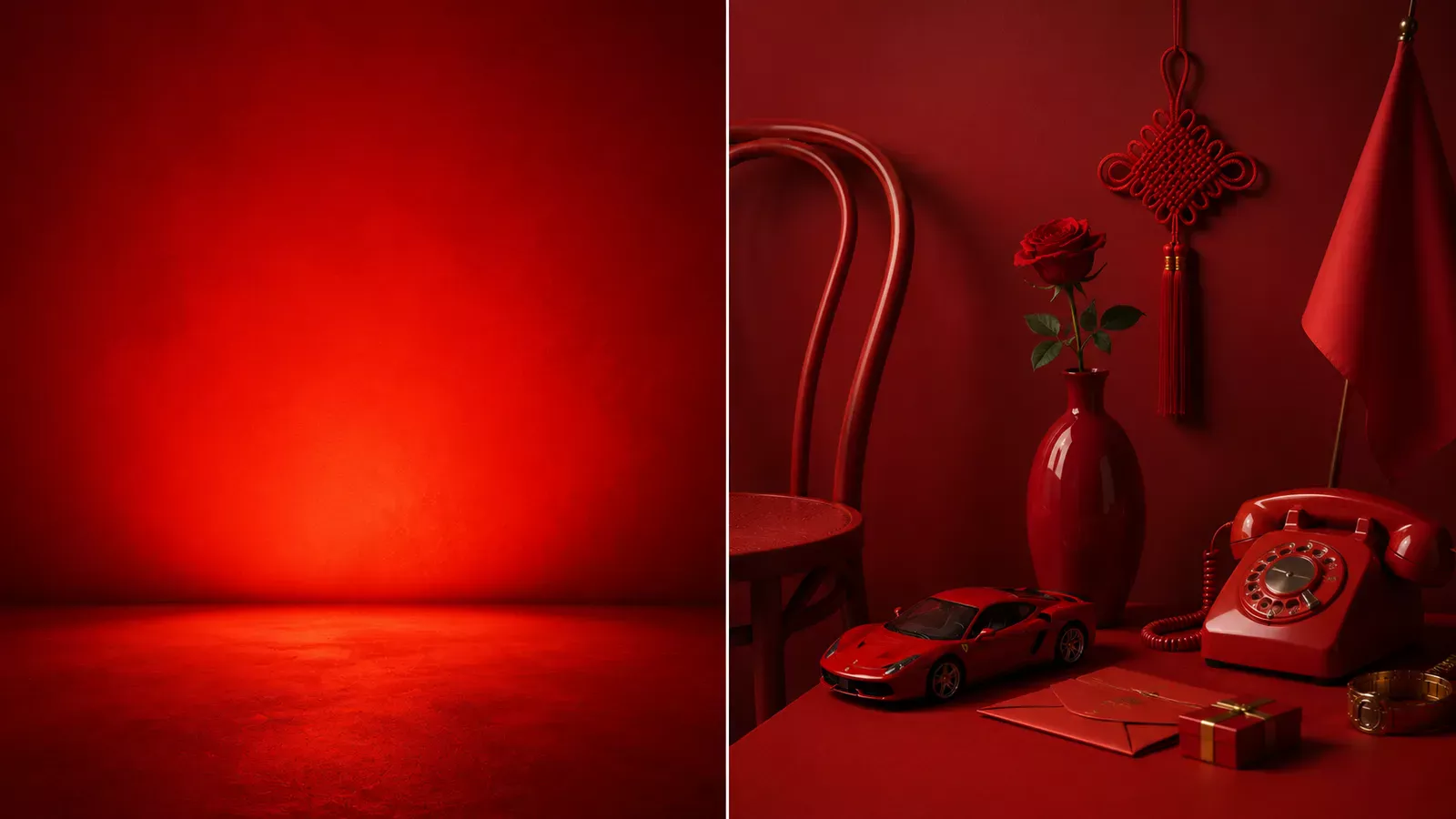
In a professional color process, 'red' is at least seven different things. Why that distinction is the foundation beneath reliable color management.

RAL is more than 216 colors. Discover the three RAL collections, from Classic to Design System plus with 1,825 CIELAB-based colors. Everything about coding, differences, and applications.
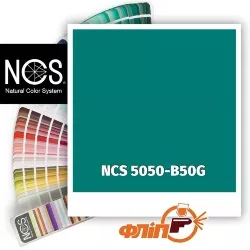
The NCS color image consists of black + white + saturation = 100%. Therefore, the sum of blackness and saturation can never be 100 or more. Here's the explanation.
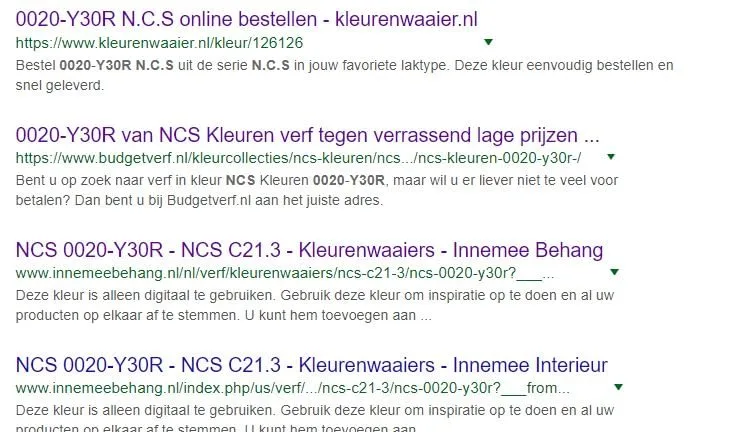
NCS colors that start with 00 are first edition notations from 1979 — discontinued since 1995. Why they still appear, what the difference is and what to look out for.
Sometimes NCS notations appear in books or articles that are technically impossible. The reason lies in the internal mathematical structure of the NCS color space.
Many websites show NCS colors that start with 00. However, these colors don't exist in the current NCS standard. Why not, and what should you know as a color specifier?