Laden...

Laden...
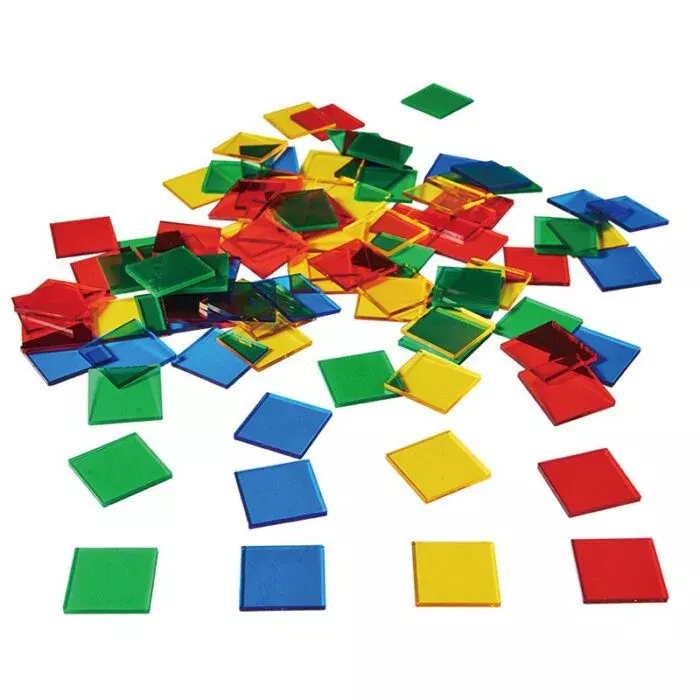
Measuring transparent or translucent materials is considerably more complex than measuring the color of an opaque surface. Because light is partially transmitted, absorbed, and scattered, both the perception and the instrumental measurement result change. Reliable measurements are only possible when sample preparation, instrument selection, measurement geometry, and standardization are carefully handled.
The thickness of the material affects the degree of light transmission. Variations directly lead to variations in L*, a*, b*. Therefore, each measurement must be performed on a constant and reproducible thickness sample.
Transparent materials need a background to:
The support material must be neutral, matte, and color-stable, so it does not interfere with the measurement.
For transparent materials, a spectrophotometer is suitable that:
An integrating sphere is often necessary for materials that diffusely scatter light. Advantages:
Suitable for materials that are primarily specularly transmissive and show little scattering.
The best choice for:
Because d/8° uses diffuse light, the actual transmission property is more reliably captured.
The light source affects both color perception and measurement results. For transparent materials:
Regular calibration is essential:
Without correct standardization, measurements between instruments and locations are not comparable.
Transparent materials are rarely perfectly homogeneous. Measure at different points and use an average.
Do not rotate the sample between measurements. Different orientations lead to variations due to anisotropy and internal structure.
Temperature, ambient light, and moisture can affect transmission. Work in a controlled environment.
For transparent materials, CIELAB or CIELCh are typically used:
This makes it possible to objectively compare transmission properties in product development, quality control, or color formulation.
Measuring transparent materials requires specific knowledge, precise equipment, and a strictly controlled measurement setup. By taking into account thickness, background, measurement geometry, calibration, and environmental factors, reliable and reproducible color measurements can be performed.
In the Applied Color Technology course at the Dutch Color School, you will learn:
👉 View the course at: https://kleurenschool.nl
Questions about measuring transparent materials or transmission measurements? Contact the specialists at the Netherlands Color Institute: https://snki.nl/en/contact
A color measurement rarely goes wrong because of the instrument, but because of the conditions around it. The ten most common mistakes in measuring and assessing color — and how to avoid them.
A spectrophotometer approves the color, but your eye sees a difference. Why that happens — metamerism, spot measurement, Delta E — and which decision rule to use.
You agree on color with a supplier not with words but with L*a*b* and ΔE. This is how you record color, tolerance and measurement conditions unambiguously — and avoid surprises at delivery.