Laden...

Laden...
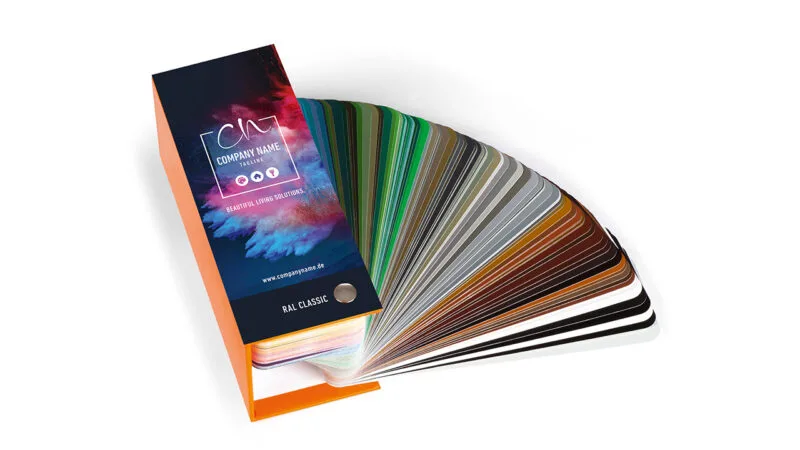
Color highly influences human behavior. Consumers respond strongly to visual stimuli, where color is a determining factor in both perception and decision-making. Research shows that 80–90% of consumer behavior is determined by color. This makes color an essential component of product development, design, and communication.
A product can technically meet requirements, but when the color does not match expectations, it affects the assessment. A pink drill is a good example: the product can be functionally excellent, but the color affects confidence in its robustness.
Color therefore plays a role in:
Consumers use color as a quick assessment of product quality:
Professional tools:
Food:
Electronics:
These associations work unconsciously but powerfully.
Color harmony is an important part of the perception process. Our brain constantly seeks balance. When colors are not in balance with each other, an unpleasant or restless feeling arises, which directly affects purchasing behavior.
Color harmony depends on:
Even small deviations — such as a valve or part with just a slightly different nuance — can negatively affect the perception of quality.
Harmonious color combinations lead to:
Disharmonious color combinations cause:
Aesthetics is partly subjective but also follows recognizable patterns. What we find beautiful is also determined by:
Designers use this knowledge to develop color design plans in which aesthetics is applied functionally, consistently, and purposefully.
Western context:
Eastern context:
These differences are crucial in international product development.
Color evokes meaning. Many associations appear to be universal:
In retail:
In hospitality:
In healthcare:
Additionally, color plays a role in signaling and safety:
Traffic situations:
Work environments:
Product packaging:
These standardized meanings are essential for safety and recognition.
Also in architecture, interior, and clothing, color directly contributes to identity, atmosphere, and interpretation.
Facades:
Space experience:
First impression:
Color influences behavior, perception, emotions, and expectations. Because people always strive for visual balance, color application has direct impact on:
Knowledge of:
Skills in:
Tools and methods:
Step 1: Research
Step 2: Concept
Step 3: Test
Store environment:
Product presentation:
Color is not a cosmetic choice but a strategic decision with direct impact on:
Professional color application requires insight into psychology, harmony, context, and systematics.
Key insights:
For deeper understanding of color experience, harmony, behavioral responses, and applied color design:
Professional color knowledge: kleurenschool.nl
For support with color choices in product development and brand identity:
Netherlands Color Institute info@kleurinstituut.nl +31 (75) 6169977
Red does not mean one thing, and neither does blue. What the two most discussed colors really evoke — universally and culturally — and why 'which red, which blue' determines the meaning.
The Color Experience System: the missing layer that translates an intended experience into a defensible color region in CIE LCh*. What it is and why it works — presented at AIC 2026 in Florence.
From gray apartment blocks to neutral interiors – the Netherlands suffers from double chromophobia. Scientific research shows: colorless environments harm well-being, creativity, and social dynamics. Hospitals use color to heal, but where do healthy people live?