Laden...

Laden...
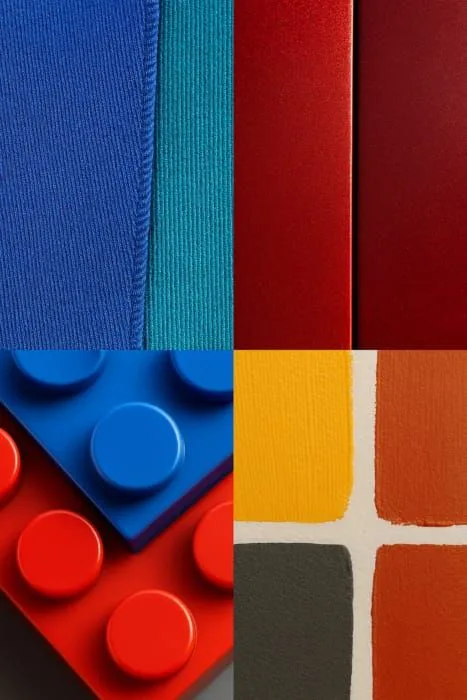
The color quality of materials is determined by the interaction between light and the surface or structure of the material. Unlike digital color reproduction (emissive light), materials involve reflection, absorption, and scattering. This article describes material-dependent color challenges and practical lessons from industrial applications.
Textiles show considerable variation due to differences in fiber chemistry, yarn structure, and weave construction.
Plastics vary from completely transparent to highly filled, opaque materials. Thermoplastic process behavior significantly affects color.
Coatings are influenced by application method and substrate.
Digital color reproduction works emissively (RGB) and depends on profile management and viewing conditions.
Sampling, preparation, and storage of samples have a direct influence on measurements.
A light booth according to ISO 3664:2009 is necessary for standardized evaluation.
Measured values must correspond with visual perception. This requires material-aware interpretation.
Material behavior determines which tolerance formula and limit values are applicable.
Color quality is strongly material-dependent and requires specific protocols and professional knowledge. By understanding material behavior well and standardizing process conditions, color consistency across the entire production chain can be improved.
👉 Want to learn more about material-specific color measurement? View the courses at kleurenschool.nl
Questions about color quality or material behavior? Contact us at info@kleurinstituut.nl or call +31 (0)70 364 98 02.
A color error costs more than the visible rejection: the hidden costs run up to 2 to 3 times as much. What color quality really costs — and why investing in color control pays itself back.
A color measurement rarely goes wrong because of the instrument, but because of the conditions around it. The ten most common mistakes in measuring and assessing color — and how to avoid them.
In a professional color process, 'red' is at least seven different things. Why that distinction is the foundation beneath reliable color management.