
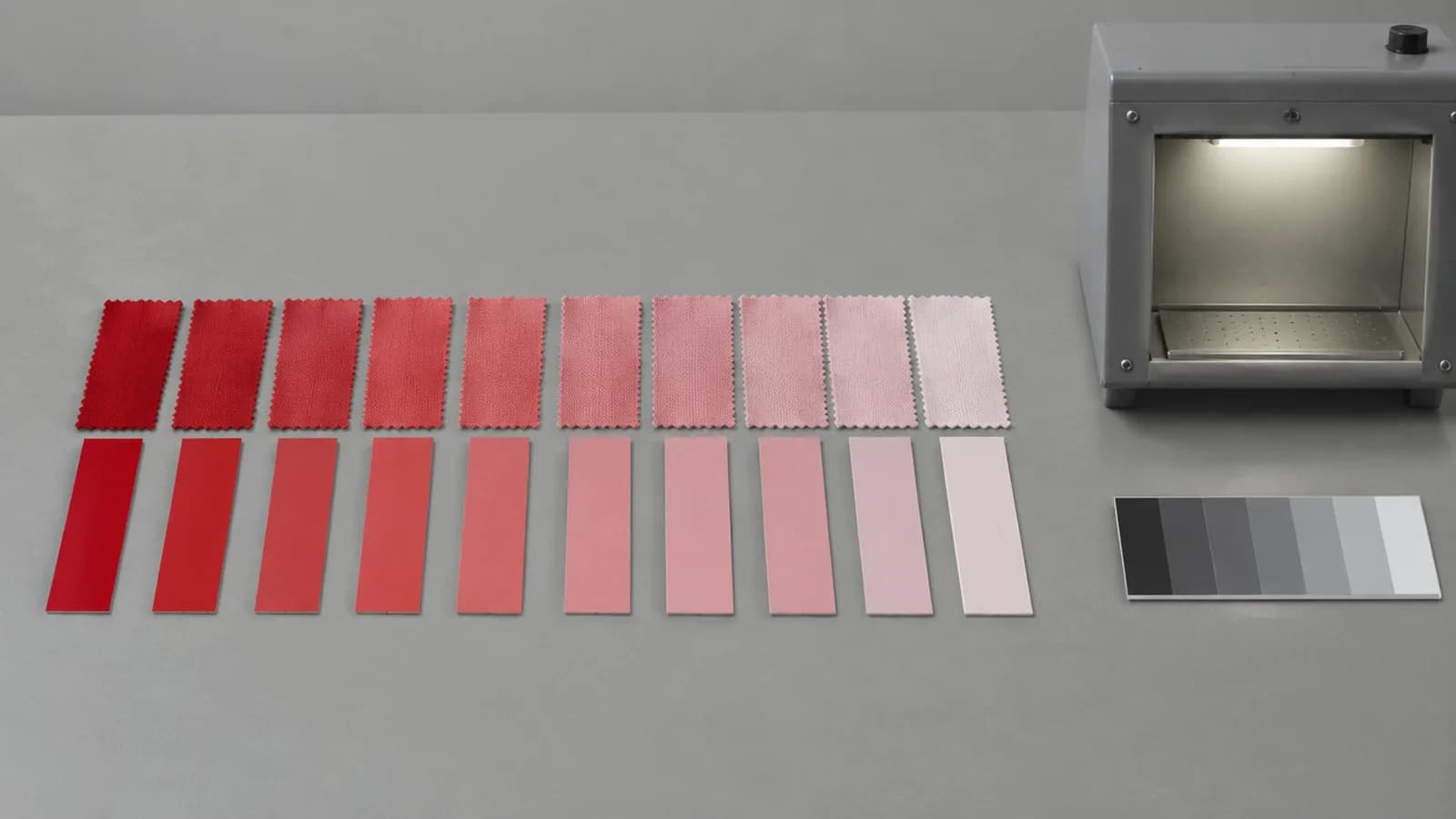
Why Colors Fade — and How to Test That in Advance
Color that does not last is a quality problem. Why colors fade — through light, washing, friction — and how accelerated tests let you measure in advance whether a color holds up.
Color Quality by Material: Plastics, Metal, and Textiles
Each material has unique light interactions that require specific measurement methods. Plastics, metals, and textiles each introduce their own challenges for color assessment. Discover material-specific solutions and protocols.
Color Quality Across Materials: From Textile to Digital
Color quality is determined by the interaction between light and material. Discover material-specific color challenges in textiles, plastics, coatings, and digital media, with practical guidelines from industrial applications.

Help! How Do I Get Control of Fluorescent Colors?
Fluorescent colors convert UV radiation into visible light, making them spectacular but also challenging. Learn how to get control of fluorescent colors in measurement, formulation, and quality control.
All About Color Fastness
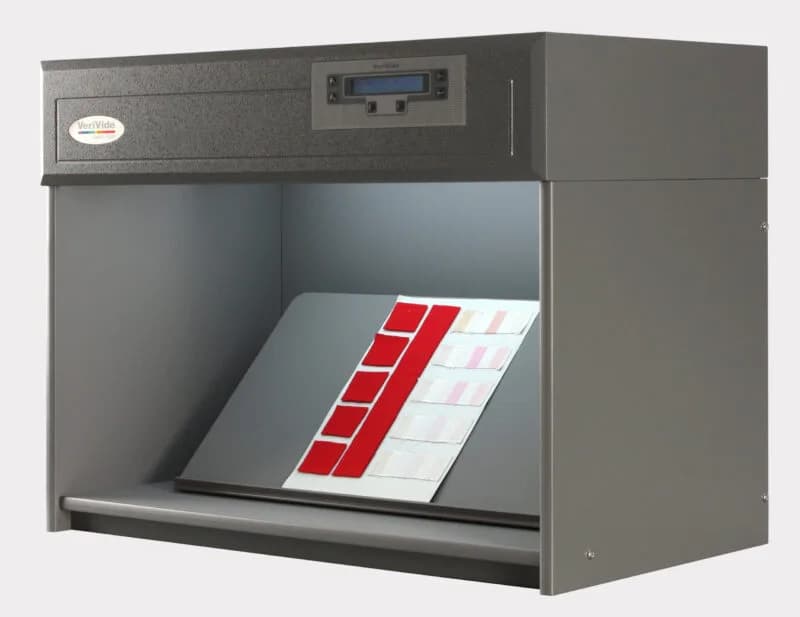
Color fastness refers to the ability of a material to retain its color under the influence of light, cleaning, and weathering. This article explains what color fastness is and how to test it.

Must-Read: Our 5 Most-Read Blogs of the Past Year
Knowledge about color is never complete. These are the five most-read blogs of the past year: from color constancy to the impact of color on consumer behavior.
What Is the Influence of Material on Color in Color Assessment?
Material has a direct influence on how color appears. This case study on concrete slabs shows how structure, porosity, and gloss affect color assessment and how tolerances are determined.