Laden...

Laden...
Visual assessment is judging color with the trained eye. The human eye can distinguish millions of color nuances, yet perception is influenced by lighting conditions, material, and the observer themselves. Anyone making color-critical judgments needs to know and control those factors.
What You Need to Know as a Color Specialist About Visual Color Assessment lists the five most important factors: perception ability, lighting conditions, material, senses, and color notation. Can I Trust My Visual Assessment Ability? shows which factors influence visual color perception, from metamerism and adaptation to simultaneous contrast. The Effect of Light on Color explains why two identical facade panels can show visually different colors despite identical measurements. The Role of the Observer in Visual Color Assessment covers color vision testing, individual variations, and training requirements for reliable visual evaluation, and What Requirements Must an Assessor Meet to Properly Assess Colors? describes the most important requirements a professional color assessor must meet.

Even the best color assessor has a biological limit. Why two or more assessors judge more reliably — and how the 2+1 method makes that practical and affordable.

A spectrophotometer approves the color, but your eye sees a difference. Why that happens — metamerism, spot measurement, Delta E — and which decision rule to use.

Eye and meter both assess color, but not in the same way. When to deploy a color meter, when the trained eye leads, and how to calibrate them against each other.
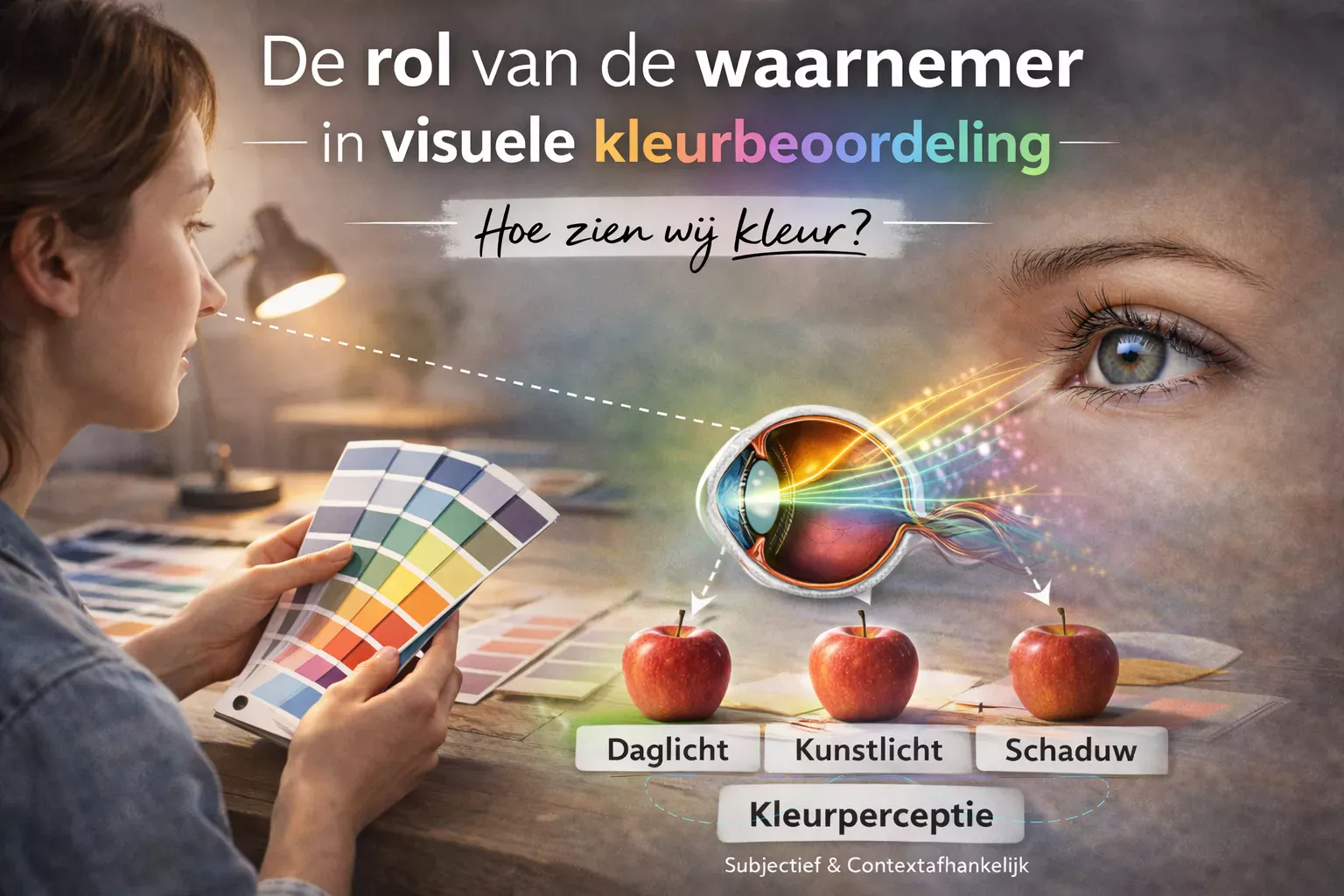
Visual color assessment depends entirely on the observer. Learn everything about color vision testing, individual variations, training requirements, and environmental factors for reliable visual evaluation.
The human eye can distinguish millions of color nuances, but is not reliable enough for color-critical assessments without tools. Learn which factors influence visual color perception.

Visual color assessment requires more than just good vision. This article describes the four most important requirements that a professional color assessor must meet.
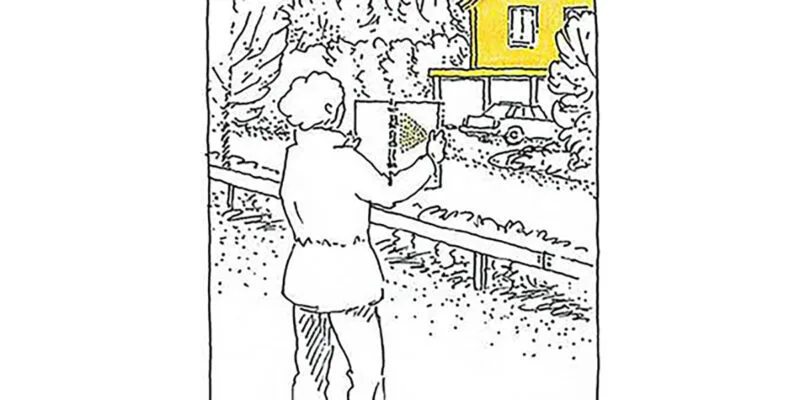
Color continuously changes due to light, distance, and context. This article explains how inherent, perceptual, and identity colors relate and how color perception can be measured.

Color perception is more than just seeing. Our senses work together when experiencing color. This article explains how touch, smell, hearing, taste, and sight contribute to color assessment.

Material has a direct influence on how color appears. This case study on concrete slabs shows how structure, porosity, and gloss affect color assessment and how tolerances are determined.
The color perception ability of the assessor directly determines the reliability of visual color assessment. This article describes why testing and training are essential for color professionals.

Visual color assessment is essential for color specialists. This article describes the five most important factors: perception ability, lighting conditions, material, senses and color notation.

Color perception is directly dependent on the light source. This article explains why two identical facade panels can show visually different colors, despite identical measurements.