Laden...

Laden...
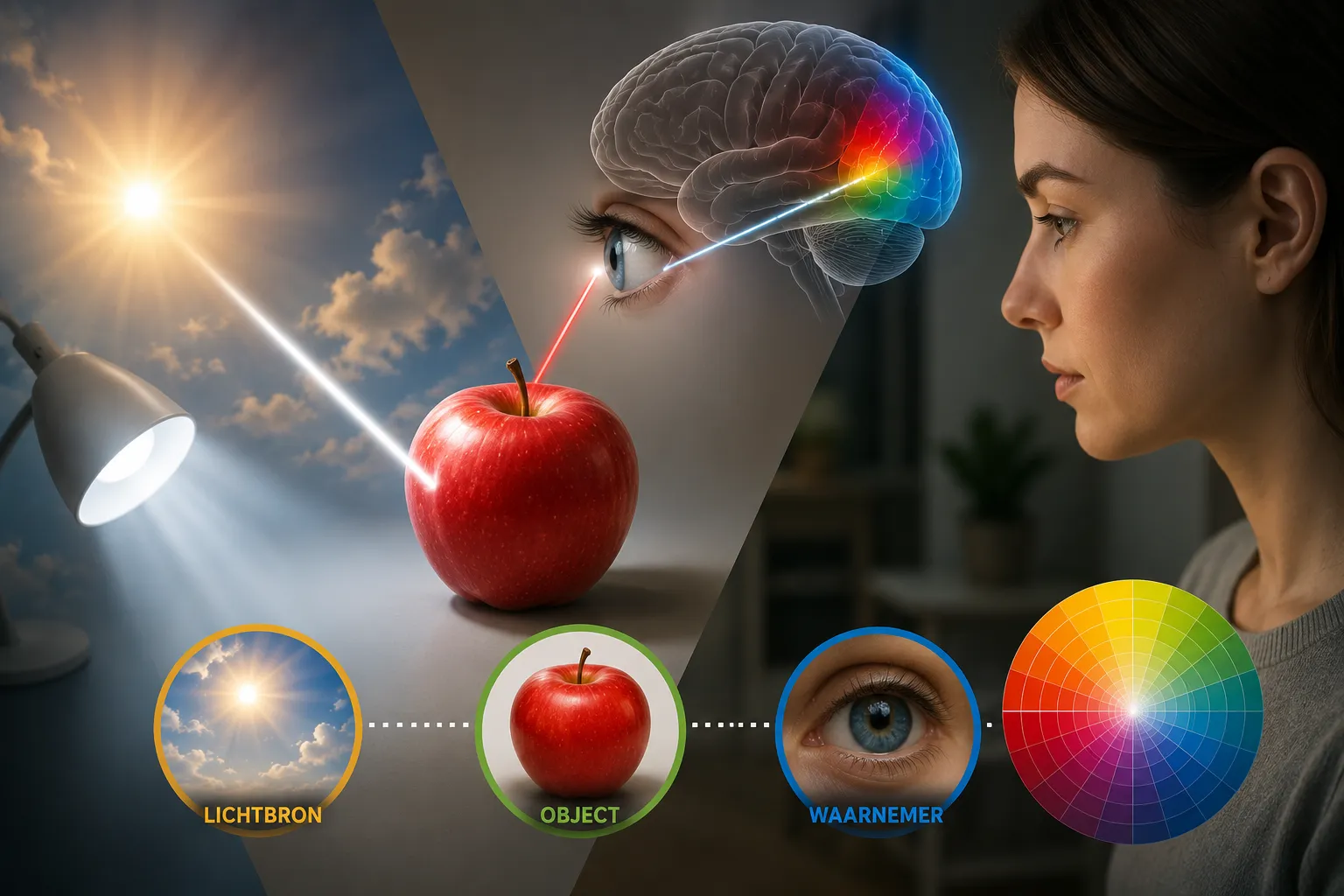
Color is not a property of the object but a perception. Discover the three ingredients — light source, object, observer — and the three knobs hue, lightness and saturation.
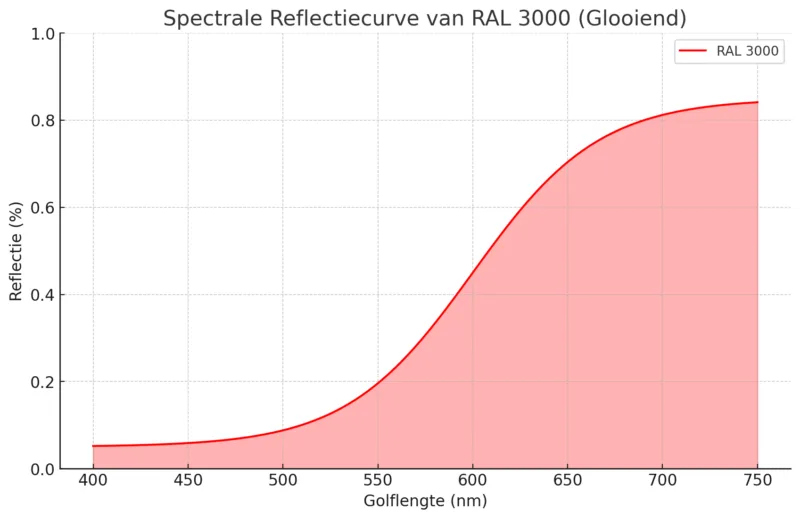
LRV, lightness L*, and spectral values each describe in a different way how a color reflects light. Learn the technical differences between energy reflection, perceptual brightness, and spectral curves using RAL 3000 as an example.
Lightness determines the brightness or darkness of a color and directly influences how a color is experienced. Discover the functional and design-technical aspects of lightness in interior, architecture, and communication.

The word 'tint' has multiple meanings and causes misunderstandings in professional color communication. This article explains why precise terms like hue, saturation and lightness are essential.
Those who work professionally with color must master the language of color. This article explains why systematic concepts and color notations are essential for objective color assessment and communication.