

'Red' Is Seven Things at Once — and Why That Makes or Breaks Your Color Management
In a professional color process, 'red' is at least seven different things. Why that distinction is the foundation beneath reliable color management.

Team Training in Color Quality: From Individual Knowledge to Organization-Wide Standards
From individual color knowledge to organization-wide standards: team training as the key to consistent color quality. Including implementation approach, KPIs, and proven ROI up to 800%.

What Skills Do You Need as a Color Expert?
Working professionally with color requires more than a good feeling. Discover what knowledge and skills are needed to work systematically and substantiated with color as a color expert in interior, architecture and industry.

How Do I Reduce Errors in Color Matching?
Small deviations in pigment dosing, equipment, or working methods quickly lead to visible color differences. Learn the 12 essential guidelines to prevent errors in color matching and ensure a reproducible process.

How Do I Get Consistent and Accurate Measurements?
Accurate color measurements do not happen by accident, but through standardized procedures, technical knowledge, and qualified operators. Learn the 13 essential guidelines for consistent and reproducible color measurements.
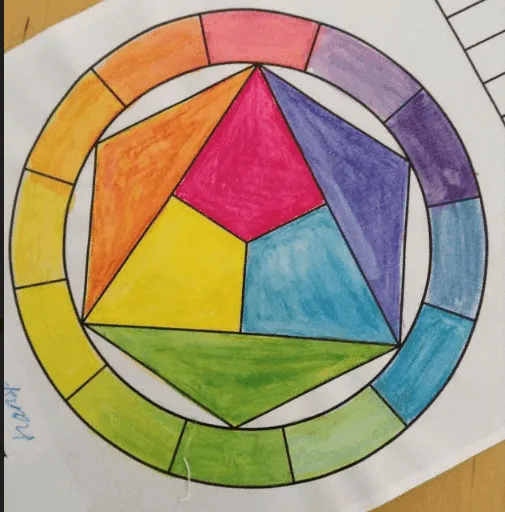
Itten Passé: Why Traditional Color Education Falls Short
At the AIC color congress, the statement 'Itten is passé' was made. This article explains why Johannes Itten's classical color theory is no longer sufficient for contemporary color professionals.

Son of a Pioneer in Color Technology
Mark Kotterink shares his personal story about craftsmanship, family and the special legacy of his father Maas Kotterink, pioneer in professional color technology and founder of Total Color Technics.

Why You Should Remove 'Tint' From Your Vocabulary as a Color Professional
The word 'tint' has multiple meanings and causes misunderstandings in professional color communication. This article explains why precise terms like hue, saturation and lightness are essential.

What You Need to Know as a Color Specialist About Visual Color Assessment
Visual color assessment is essential for color specialists. This article describes the five most important factors: perception ability, lighting conditions, material, senses and color notation.