
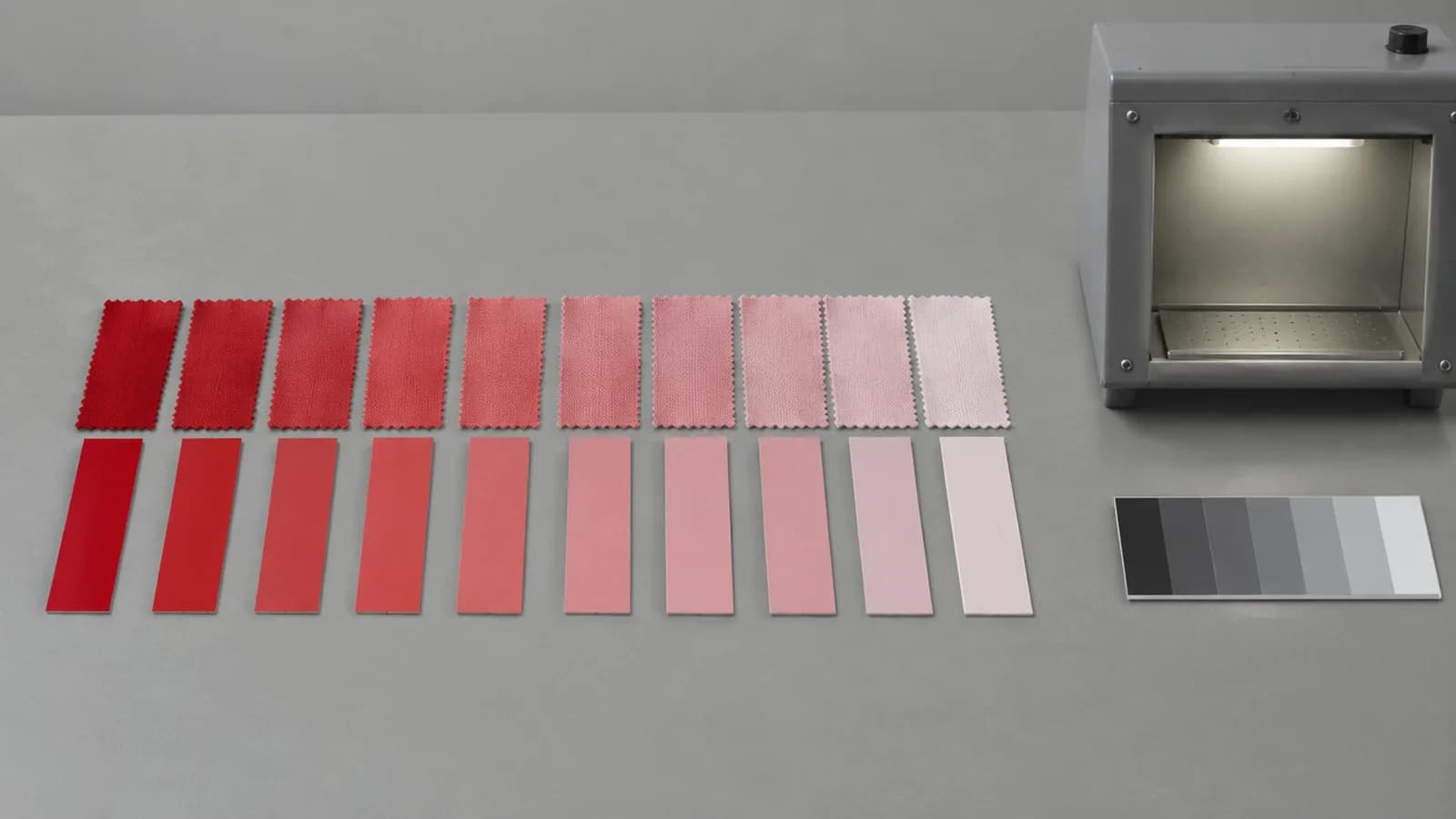
Why Colors Fade — and How to Test That in Advance
Color that does not last is a quality problem. Why colors fade — through light, washing, friction — and how accelerated tests let you measure in advance whether a color holds up.

A Hospital Knows No Night — Why Light and Color Together Determine Recovery
A hospital knows no night — and that harms recovery. Why the day-night rhythm, dynamic lighting and wall color together form one system in the healthcare environment.
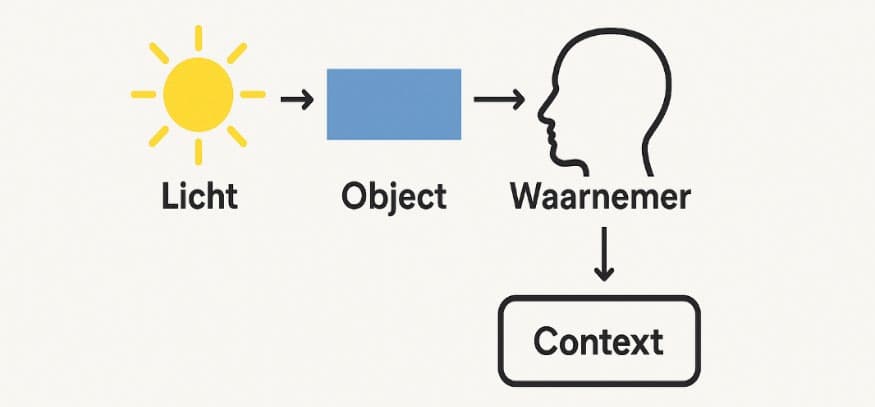
Understanding Color Perception: Four Factors That Determine Every Assessment
Color is not a property of an object, but a perception. Four factors — light source, object, observer and context — together determine what we see. Understand these components and take control of your color assessments.

Light Sources and Color Assessment: Why the Right Lighting Determines Everything
Light is not neutral. Every light source has its own spectral composition that directly determines which colors you can perceive. Understanding SPD, color temperature and CRI is the basis of reliable color assessment.
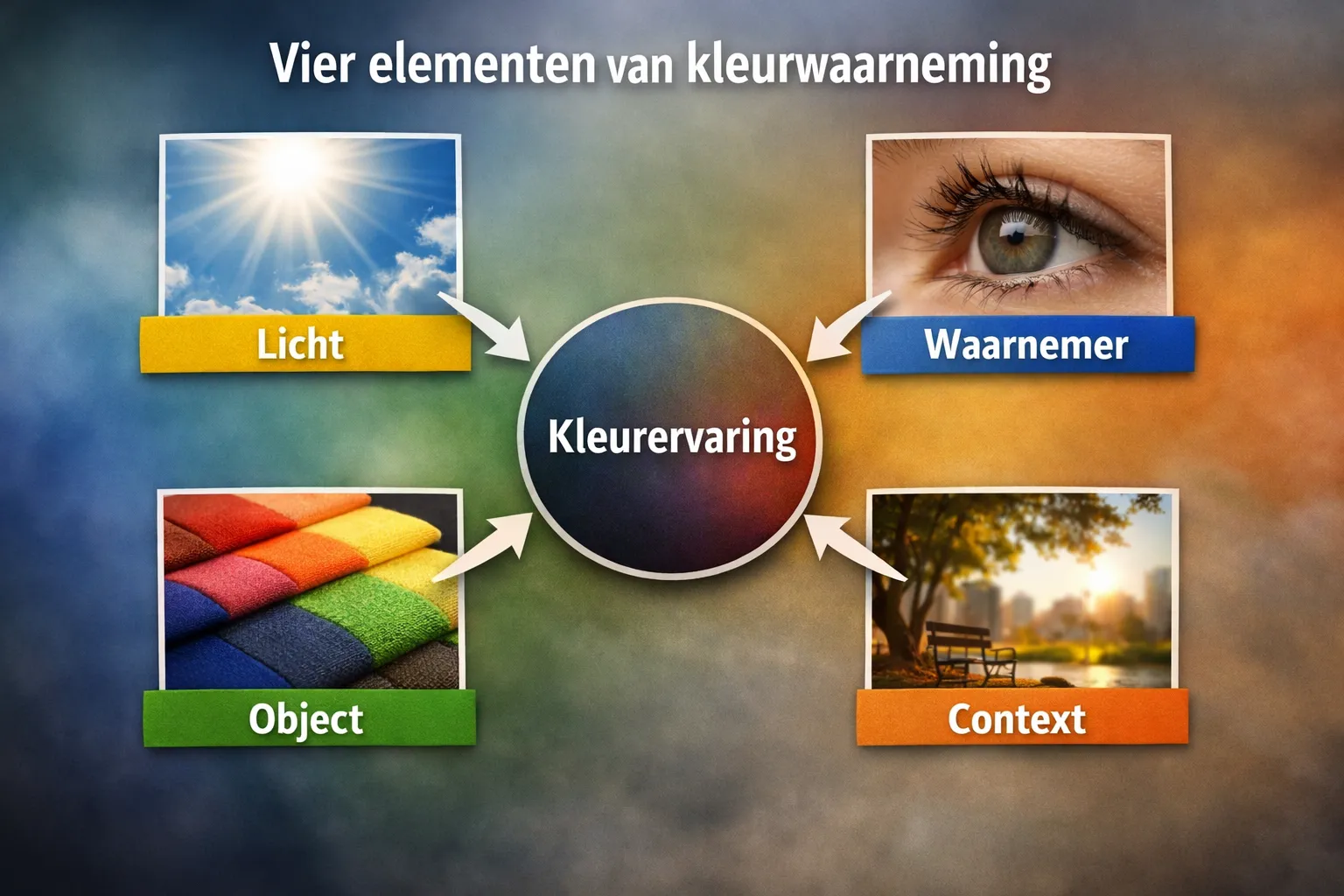
Color Does Not Exist: The Four Elements That Determine Color Perception
A fundamental insight that forms the basis for every professional color assessment. Color is not a property of the product, but a perceptual phenomenon that arises from the interplay of four elements.

Metamerism Detection in the Supply Chain
How metamerism causes color deviations under different light sources and which measurement methods can detect it.

Environmental Factors and Color Measurement
The measurement environment is just as important as the instrument itself. Temperature, light, vibrations, and contamination directly affect measurement results. Learn how to control environmental factors for reliable color measurements.

Help! How Do I Get Control of Fluorescent Colors?
Fluorescent colors convert UV radiation into visible light, making them spectacular but also challenging. Learn how to get control of fluorescent colors in measurement, formulation, and quality control.
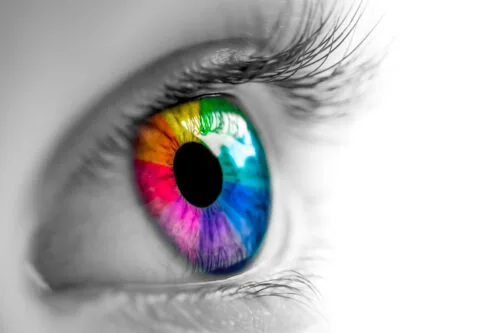
Can I Trust My Visual Assessment Ability?
The human eye can distinguish millions of color nuances, but is not reliable enough for color-critical assessments without tools. Learn which factors influence visual color perception.
What is Metamerism?
Metamerism is the phenomenon where two colors appear identical under one light source, but visibly differ under another light source. This article explains how metamerism occurs and how to prevent it.

Must-Read: Our 5 Most-Read Blogs of the Past Year
Knowledge about color is never complete. These are the five most-read blogs of the past year: from color constancy to the impact of color on consumer behavior.
The Mysterious Side of Color: Color Constancy
Color constancy is the ability to perceive a color as stable under different light sources. This article explains how this mechanism works and why it is essential for professional color assessment.

What Is the Influence of Light on Color in the Work of a Color Assessor?
Light determines how color appears. Why metamerism occurs, how light booths work, and why D65 is the standard for professional color assessment.
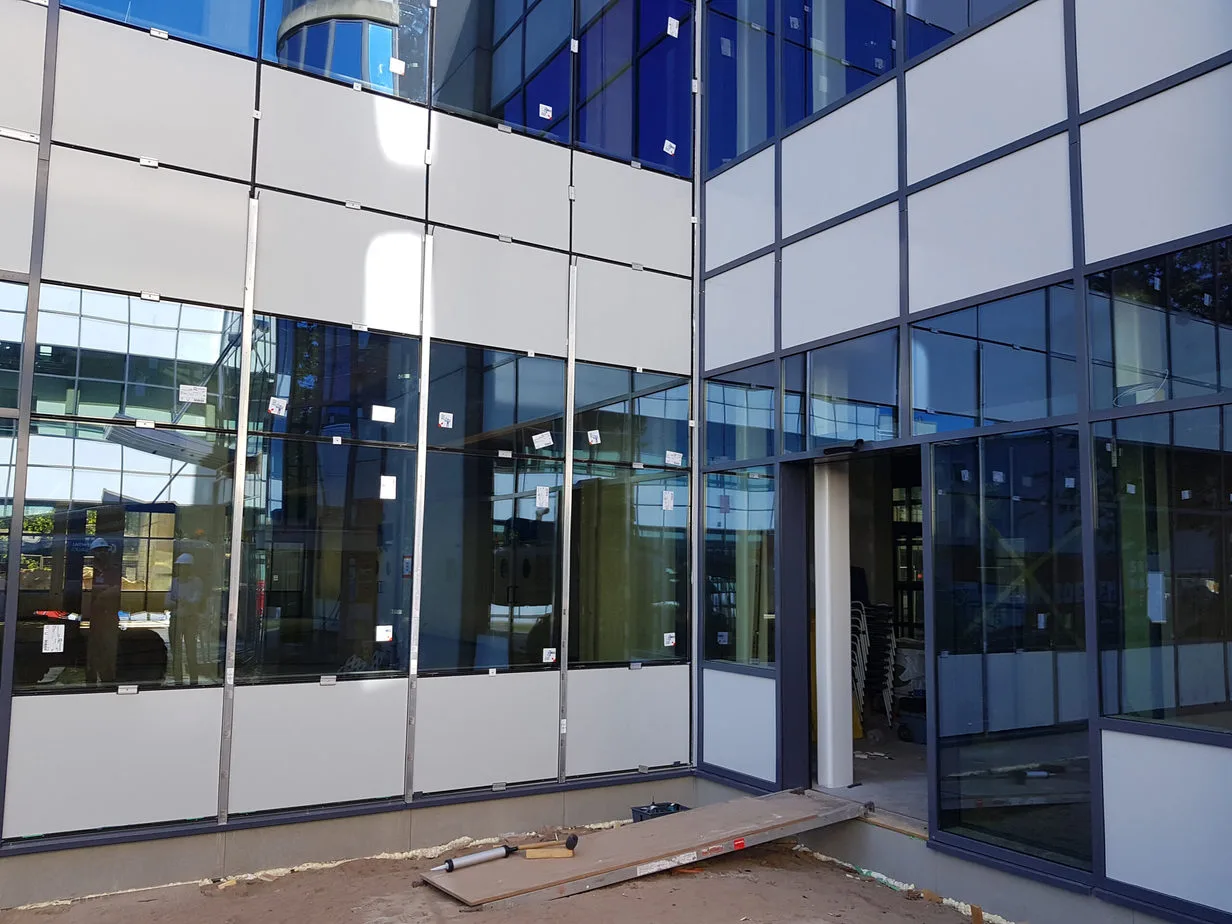
The Effect of Light on Color
Color perception is directly dependent on the light source. This article explains why two identical facade panels can show visually different colors, despite identical measurements.