Laden...

Laden...
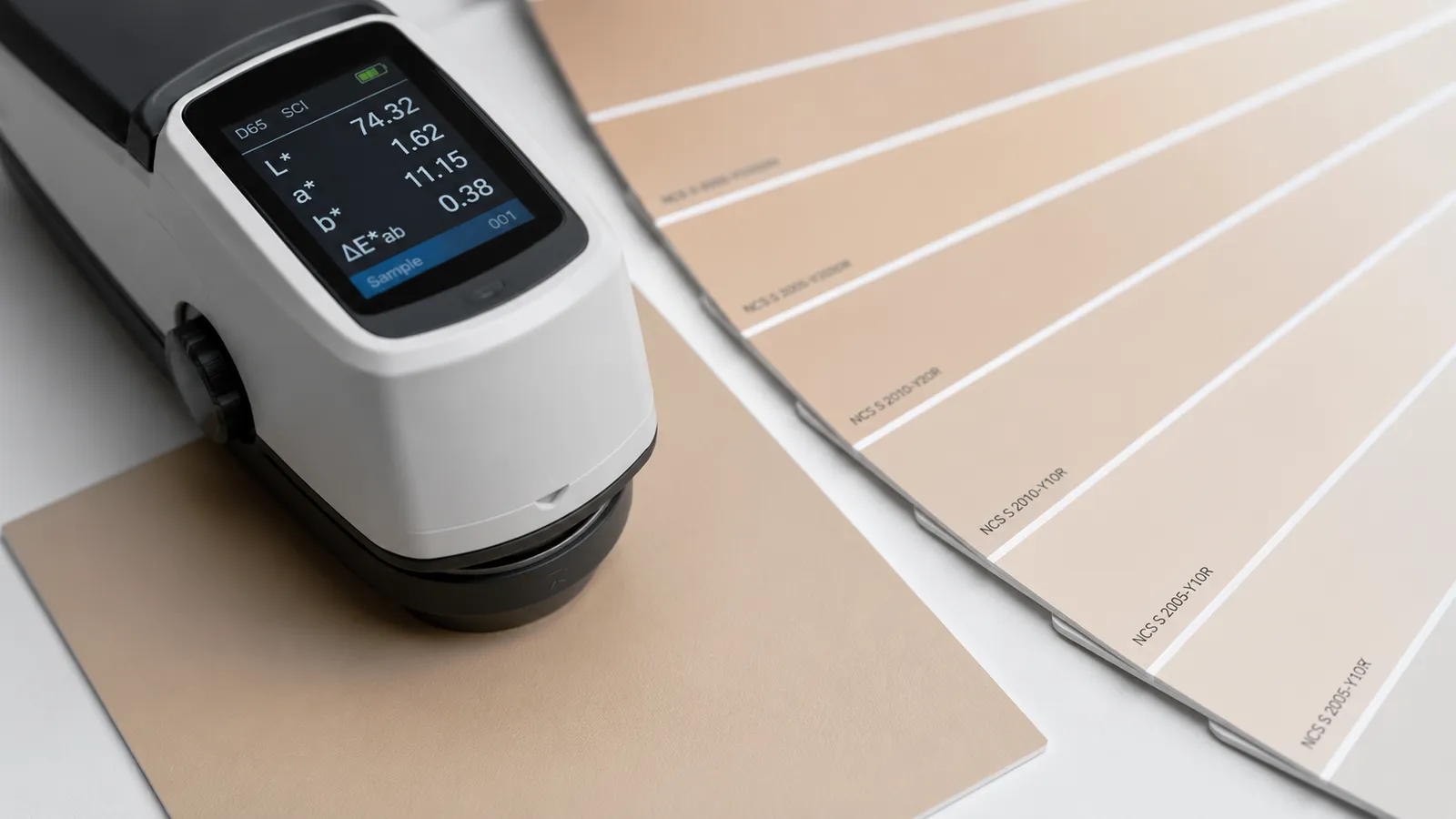
You agree on color with a supplier not with words but with L*a*b* and ΔE. This is how you record color, tolerance and measurement conditions unambiguously — and avoid surprises at delivery.

How large can a color difference be before a product is rejected? Why tolerances depend on the product, material, and market — and how to establish them.

Color deviations arise from variation in material, process, measurement, or specification. 42% is directly linked to process variation. Discover the technical framework for systematic diagnosis with five core steps and RCA methods.
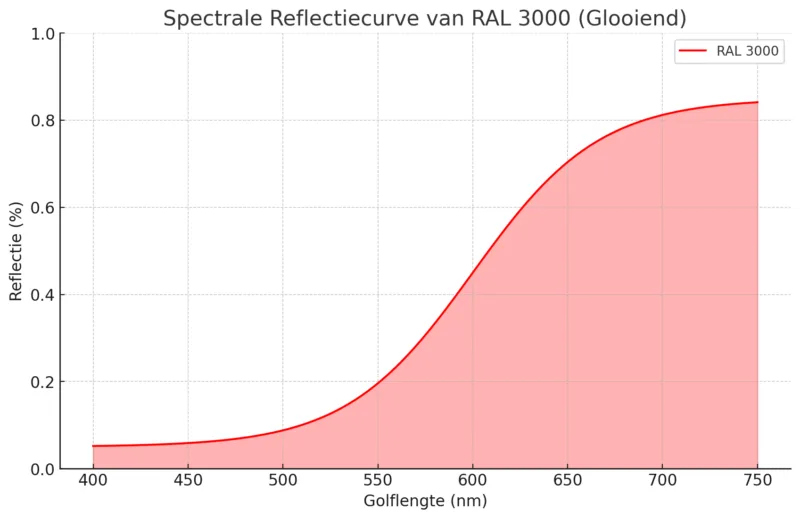
LRV, lightness L*, and spectral values each describe in a different way how a color reflects light. Learn the technical differences between energy reflection, perceptual brightness, and spectral curves using RAL 3000 as an example.
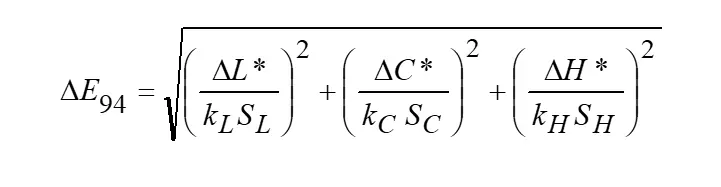
Color difference formulas objectively quantify the difference between two colors. Discover the main formulas - CIE76, CMC, CIE94, and CIEDE2000 - their strengths and when to use which formula.
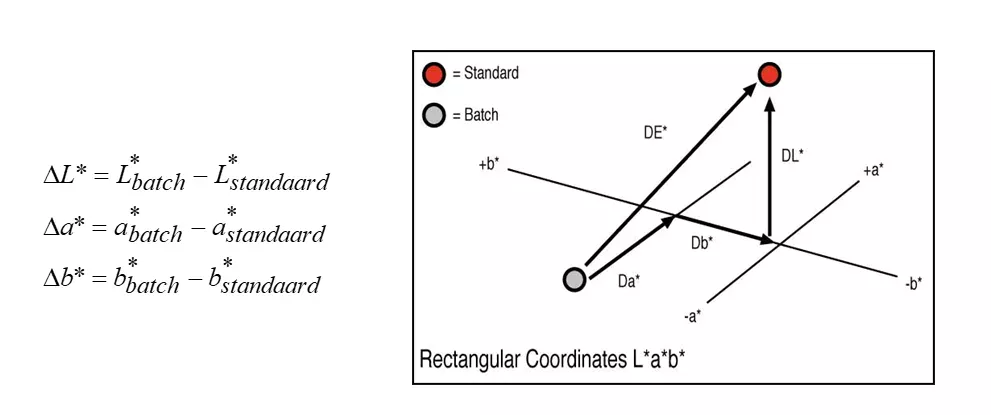
In CIELAB, the difference between two colors is described as the distance between their coordinates. Learn how ΔE*ab is calculated, what ΔL*, Δa*, and Δb* mean, and why modern formulas like ΔE00 are needed.
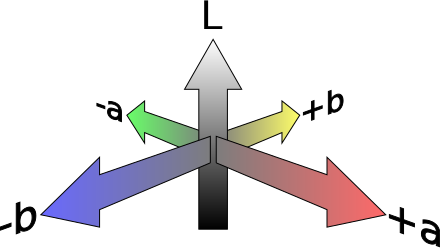
CIELAB and CIELUV were introduced in 1976 as approximately uniform color spaces. Learn the structure of CIELAB with L*, a*, b*, the conversion from XYZ, and the use of polar coordinates C*ab and hab.
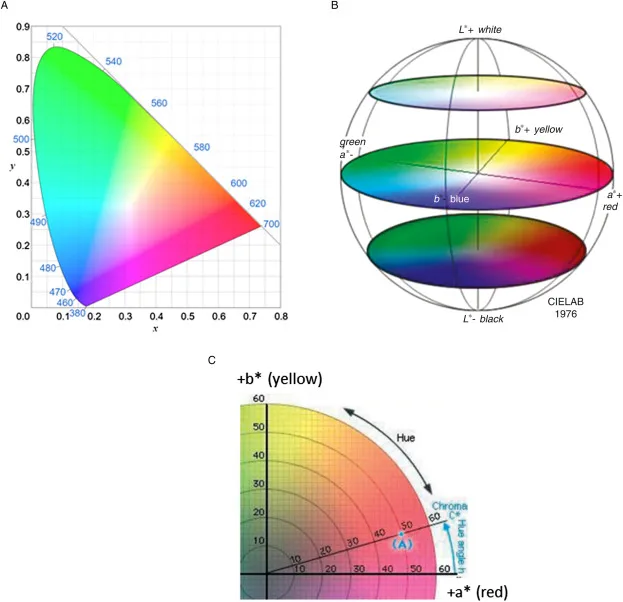
Tristimulus values XYZ are translated in practice to x,y,Y coordinates. However, the x,y diagram is not perceptually uniform, as MacAdam demonstrated with his famous ellipses - an important motivation for CIELAB.
CIELAB is one of the most important systems in colorimetry. Discover the origins of the system, the role of the CIE, and the basis of the XYZ tristimulus values from which CIELAB is derived.

Working professionally with color requires more than a good feeling. Discover what knowledge and skills are needed to work systematically and substantiated with color as a color expert in interior, architecture and industry.
Lightness determines the brightness or darkness of a color and directly influences how a color is experienced. Discover the functional and design-technical aspects of lightness in interior, architecture, and communication.

Color Quality Control and Product Colour Management are often confused, but are fundamentally different. CQC objectively measures what a color is, while PCM manages the entire process of how color is consistently reproduced.
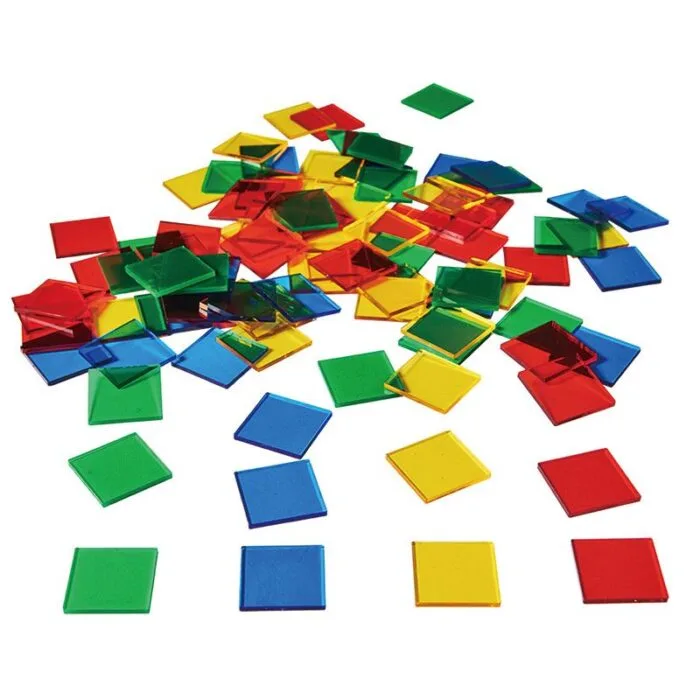
Measuring transparent materials is complex due to light transmission, absorption, and scattering. This article explains how to perform reliable measurements with the right preparation and instrumentation.